

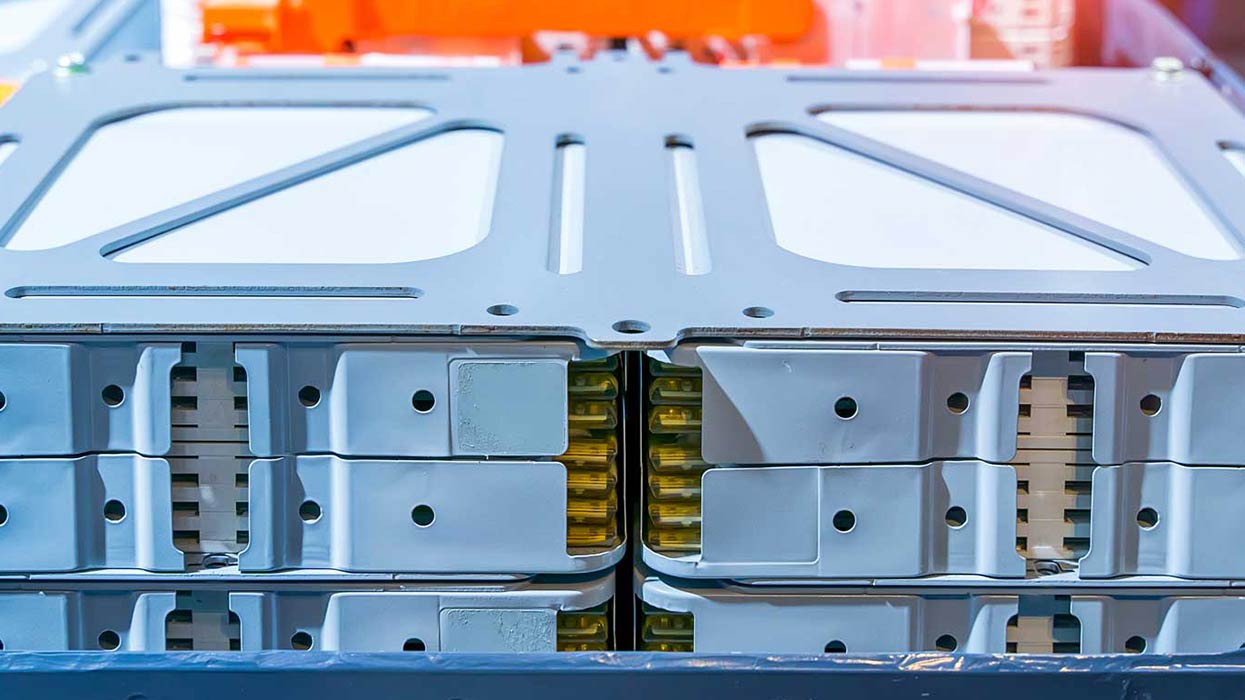
Setting blind rivet nuts involves creating simple threads on one side of a thin-walled object. The nuts used are either round or hexagonal. Unlike the general term “blind rivets,” which are used to create permanent joints, the automated process of “setting blind rivet nuts” involves preparing a removable screw connection.
WEBER-Technology
What You Should Know About Automatic Setting and Feeding of Blind Rivet Nuts
What does setting blind rivet nuts mean
In which areas are blind rivet nuts used?
The automatic installation of blind rivet nuts is primarily used in the automotive industry. In this sector, thin-walled materials are used in frame structures—both in car body construction and in battery manufacturing—to ensure high stability with low weight. Access from only one side requires the use of blind rivet nuts to create load-bearing threads in these structures. Thus, the blind rivet nut creates the conditions for detachable connections in e-mobility.
Blind rivet nuts are set in 4 phases.
Process of inserting blind rivet nuts
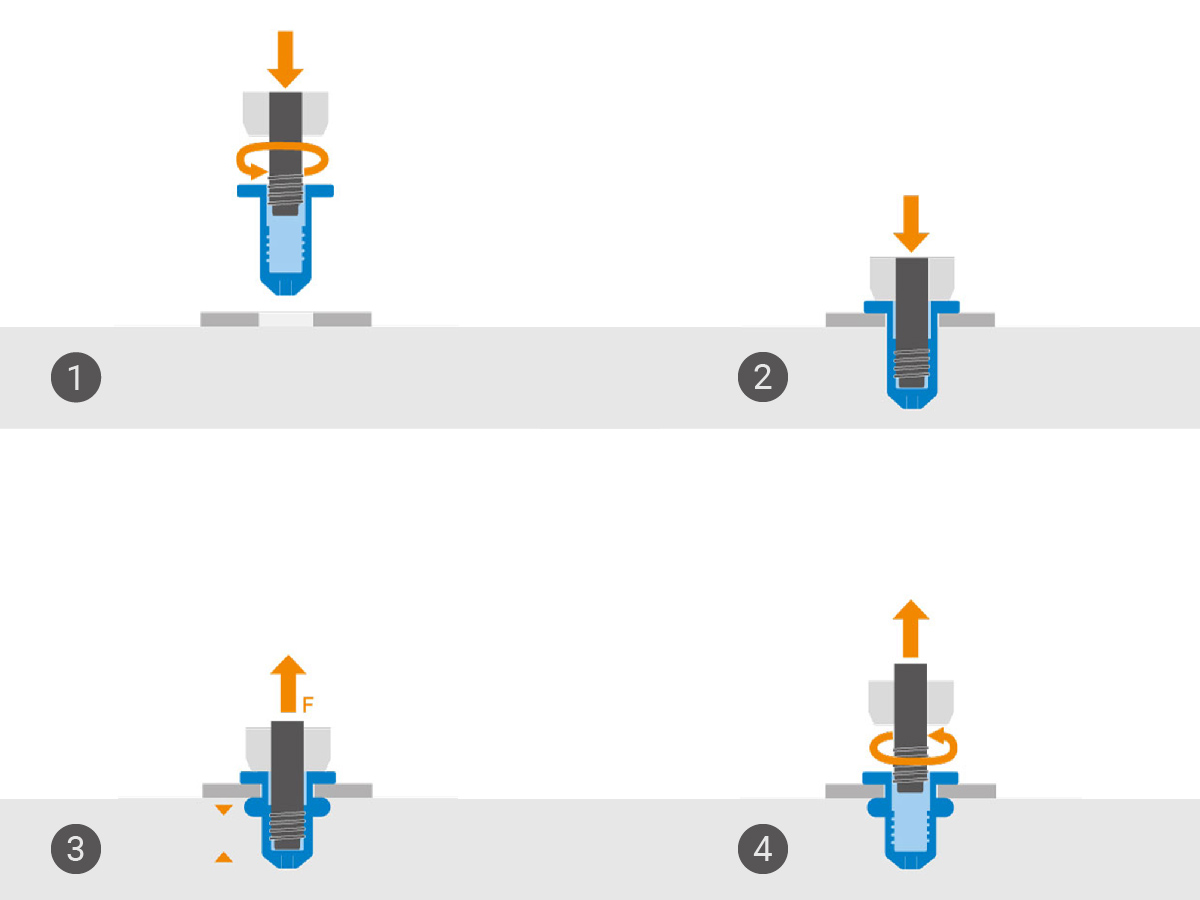
Phase 1: Threading and positioning the blind rivet nuts
First, the blind rivet nuts are loaded as bulk material into a feeding system. Then, all the blind rivet nuts are separated. Now, each nut is individually blown through a tube into the setting system. When it arrives at the setting system, it is clamped into a small fixture and is ready for the next process step.
Phase 2: Feeding into the part
When threading the nuts, we can identify any nuts with damaged threads and remove them from the line.
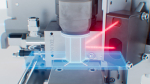
Before inserting them into the component, the rotational angle of hex nuts is aligned with the pilot hole using a laser system. While positioning is not critical for round nuts, hex nuts must be aligned precisely. The nut is then “positioned” in the pilot hole.
Phase 3: Retracting the threaded arbour & deforming the blind rivet nut
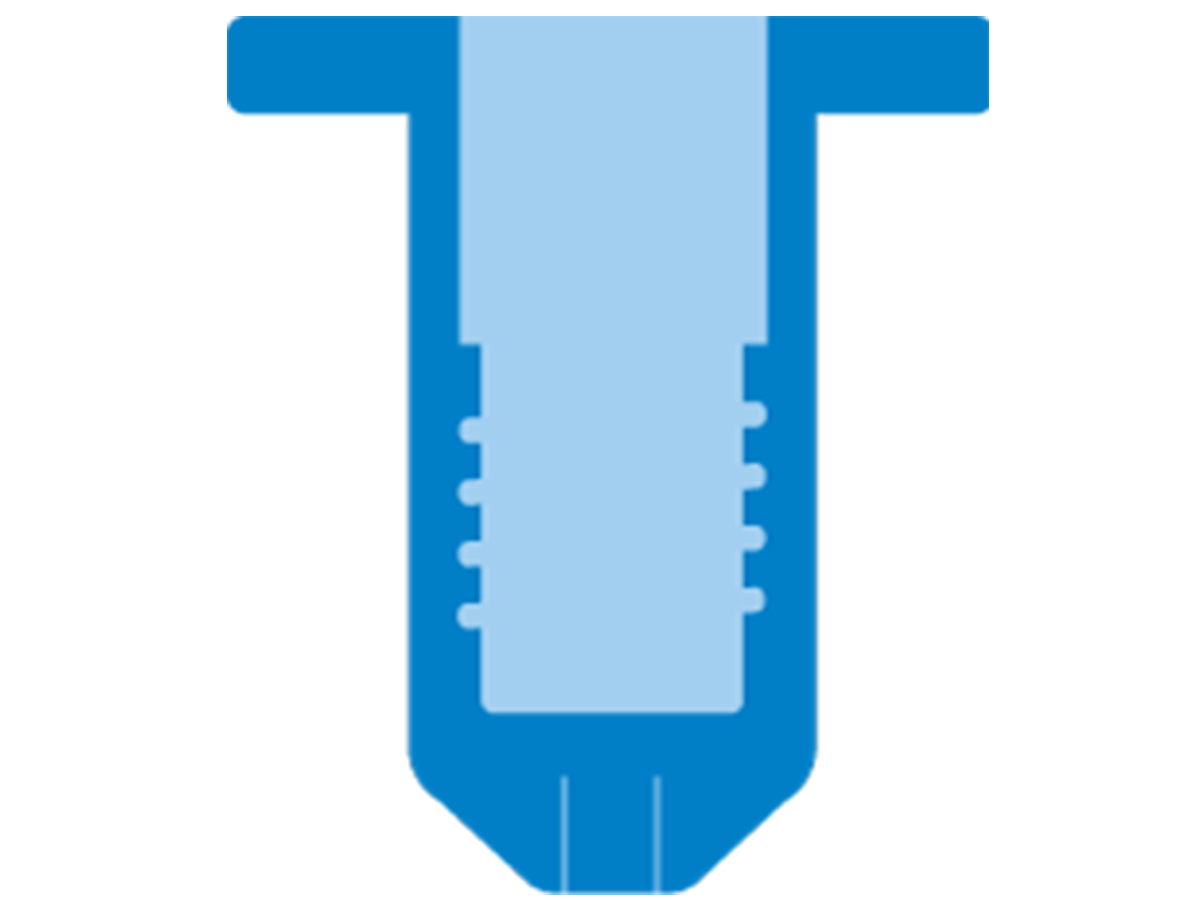
In the third phase, the blind rivet nut is deformed. For this, the threaded mandrel is retracted to a predefined position without rotation. As a result, the nut is tightened, deforms accordingly, and forms a so-called bulge that encloses the edge of the pre-drilled hole. At WEBER, the quality is reliably monitored, with both the pulling distance and the applied force being continuously controlled and recorded. Only predefined ranges are permitted.
Phase 4: Removing the threaded arbour
Finally, the threaded arbour is removed. The process can start again. The next blind rivet nut can be fed already during the setting process.
Special features of the WEBER feeding system for blind rivet nuts
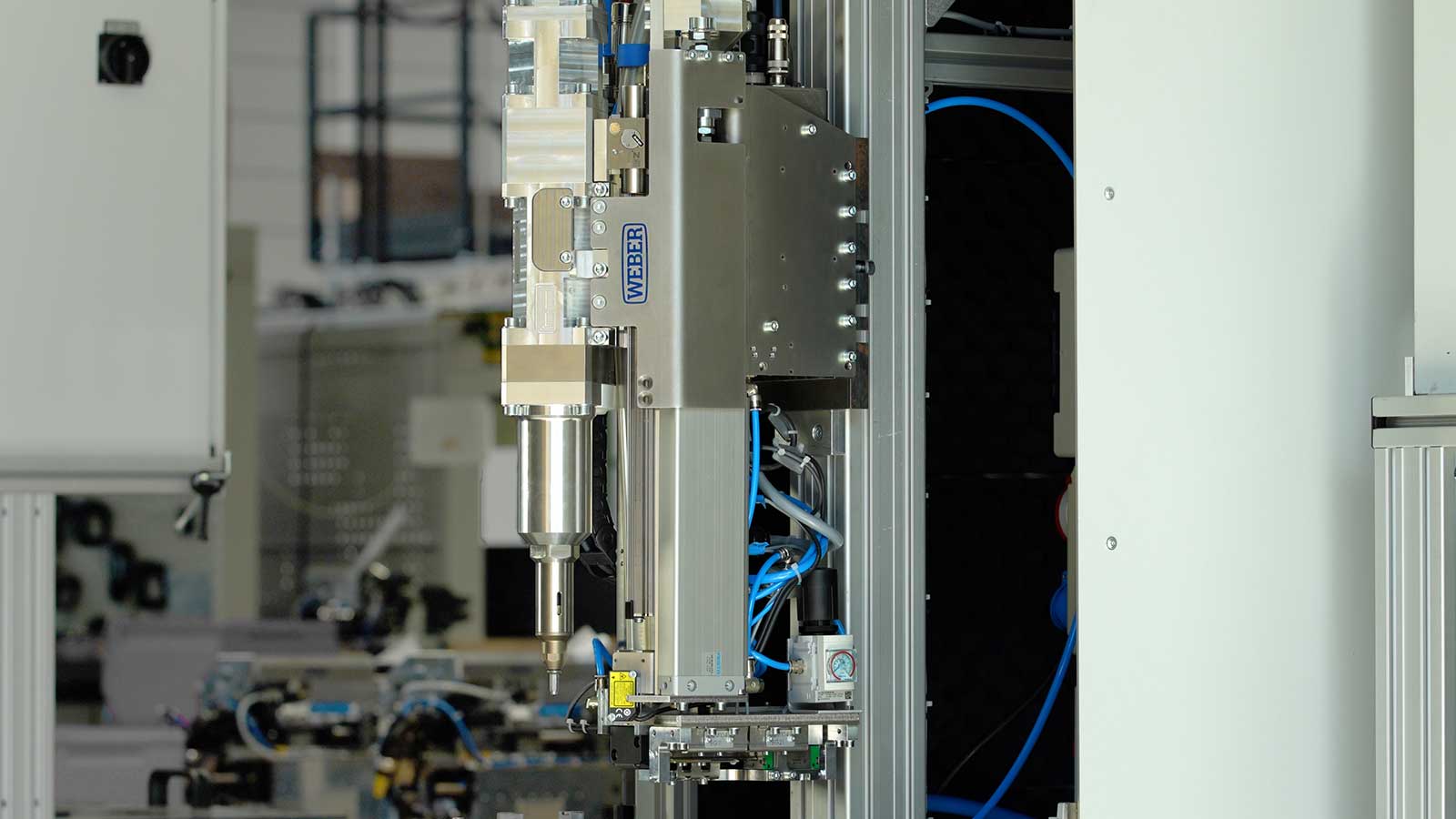
What sets WEBER feed systems apart in blind rivet nut setting is their high output and fast cycle times. Thanks to our fully automated process, the insertion head operates continuously while the next blind rivet nut is fed into position. The advantage of WEBER insertion system over other insertion systems lies in its precise alignment. Thanks to extremely precise pre-definition, the insertion system knows the correct position of the blind rivet nut and does not have to “search” for it at the pre-punched hole.
In addition, the WEBER insertion unit utilizes precise monitoring mechanisms. We check for thread damage during the insertion process itself. This allows us to proactively prevent errors that, with other insertion systems, only become apparent afterward, and to automatically reject defective components before the insertion process begins.
Structure of the WEBER setting unit
You are currently viewing a placeholder content from YouTube. To access the actual content, click the button below. Please note that doing so will share data with third-party providers.
More InformationGet information about the structure of the WEBER setting unit in the e-mobility application area.
Contact our expert.
Ingo Untch
Product manager
Mr. Untch is responsible for product management, including control and drive technology, as well as all WEBER setting systems. This includes insertion and press-in units, as well as the SBM blind rivet nut setting system. With his many years of experience as a developer of mechatronic systems and a quality management representative, he can draw on an extensive wealth of experience that enables him to competently oversee these products.
Questions and Answers About Blind Rivet Nuts in Industry
What is the special feature of WEBER systems for the installation of hexagon nuts?
While other manufacturers turn the nut in their system until it is pulled into the pre-cut hole, WEBER focuses on precision installation. We define the precise position of the hole in advance so the blind rivet nut can be positioned correctly. The system does not have to “search” for the hole first.
What is the setting direction for blind rivet nut?
Blind rivet nuts can be set in any direction: horizontally or vertically (can also be mounted on a robot). The settings are made in advance.
Which forces occur during the installation of blind rivet nuts?
The force that has to be applied to produce the bulge during blind rivet installation is up to 25 kN (= deformation force).
Which blind rivet nuts are usually installed?
Blind rivet nuts that can be combined with the WEBER system typically have the following parameters.
Sizes: M4 to M10
Head diameter: up to 20mm
Length: up to 30mm
Material: Stainless steel, steel, aluminium
Shapes: round, hexagon
Of course WEBER can also work with custom items on request.
What is the difference between round and hexagon nuts?
The difference between round and hexagon nuts is in the shape and function. Blind rivet nuts with hexagon shaft offer a higher level of reliability because they can withstand a higher torque.
What is the structure of blind rivet nut installation?
The installation unit is either stationary or mounted on a robot or gantry.
Cycle times. How long does that take?
The cycle time depends significantly on the size and shape of the blind rivet nut, as well as the length of the thread.
With the WEBER setting unit for blind rivet nuts, cycle times as short as 6 seconds can be reliably achieved.
WEBER Schraubautomaten
WEBER Schraubautomaten GmbH is a family-run and innovative company that attaches great importance to the sustainable design of the value chain. The result is high-quality products with maximum process reliability that make production processes more efficient. Your success is our success.