
Feeding systems

Step feeder ZEL

Very low noise emissions

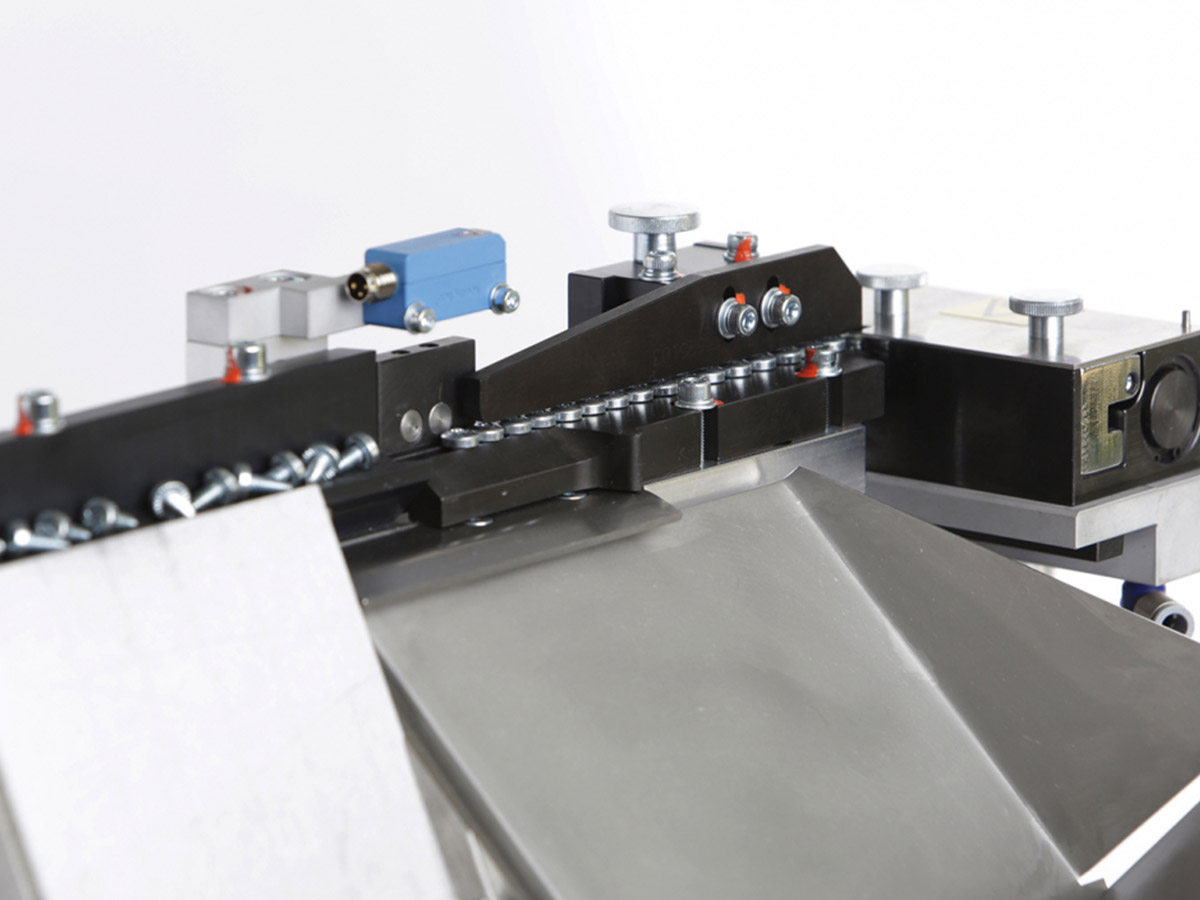
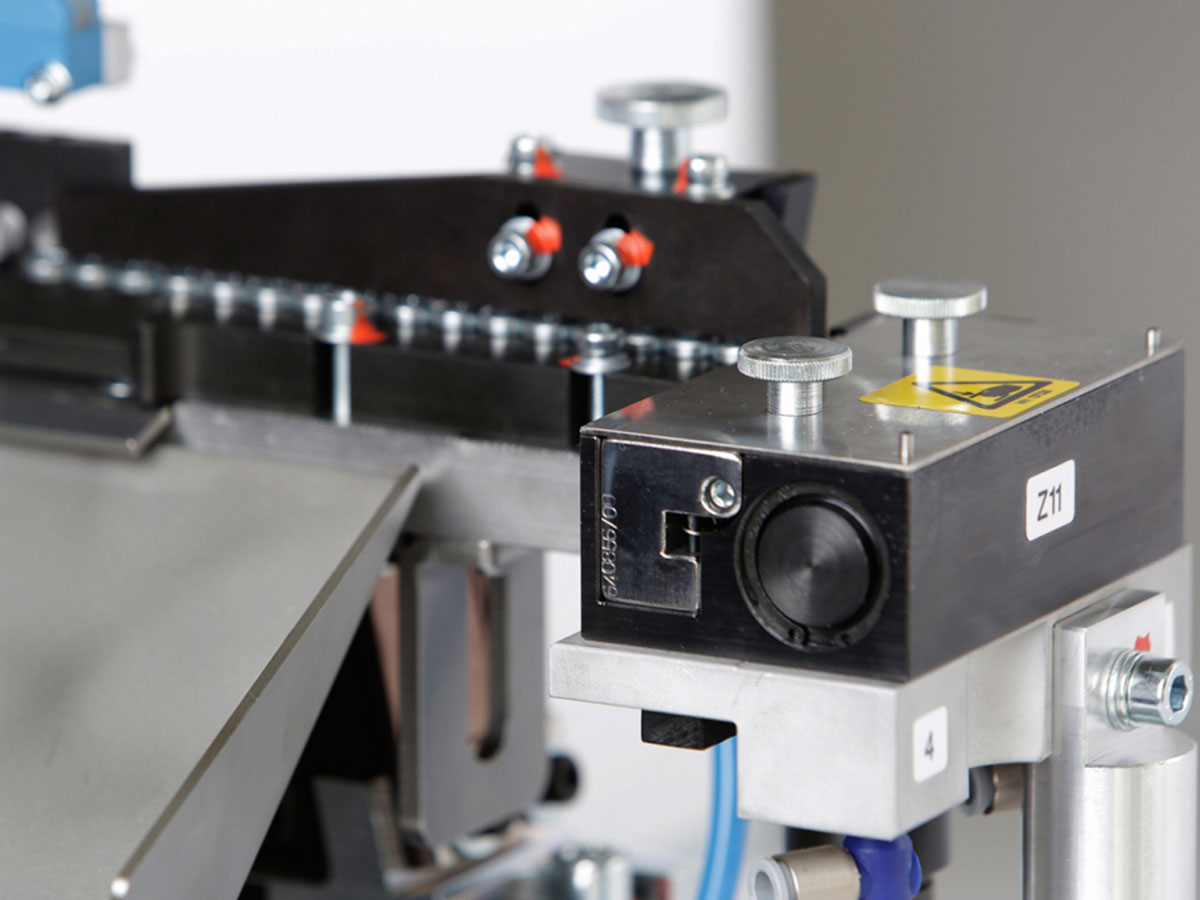
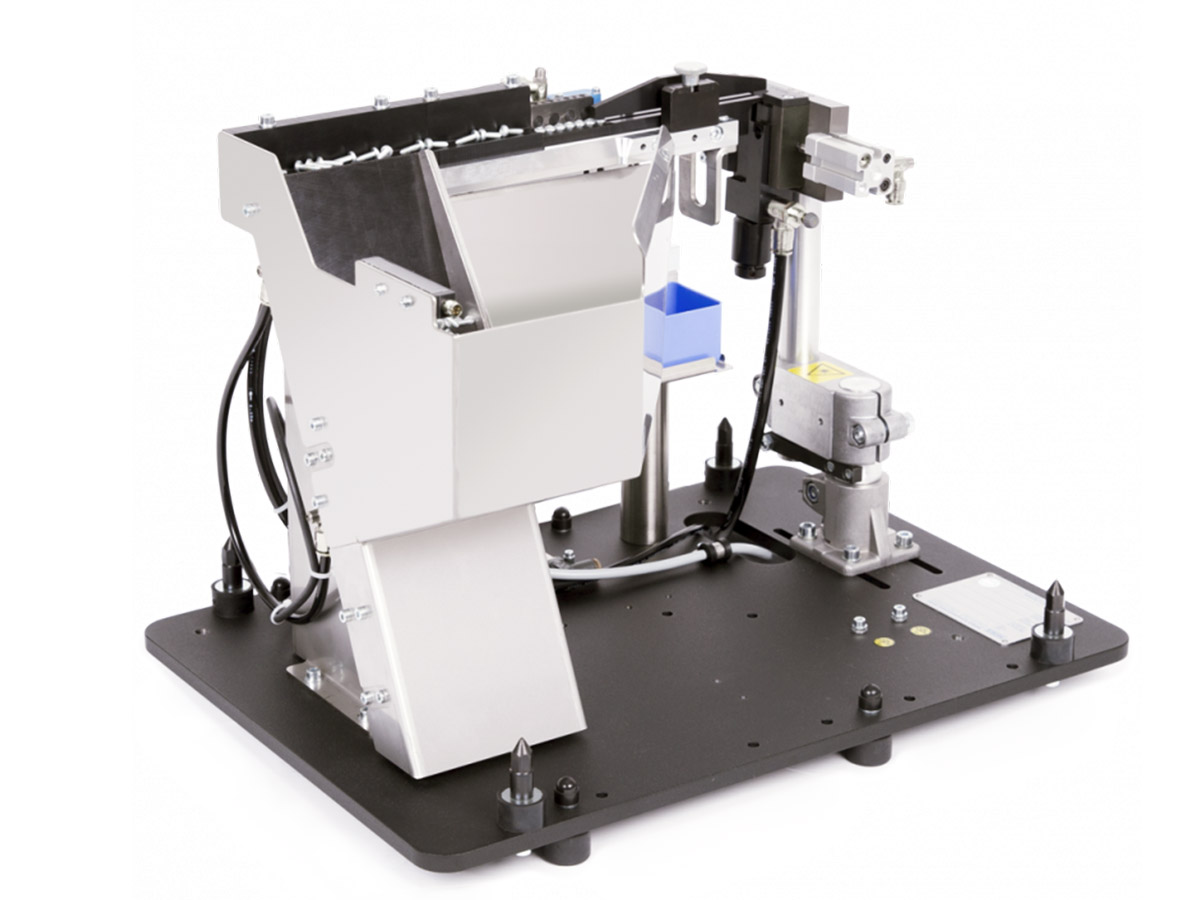
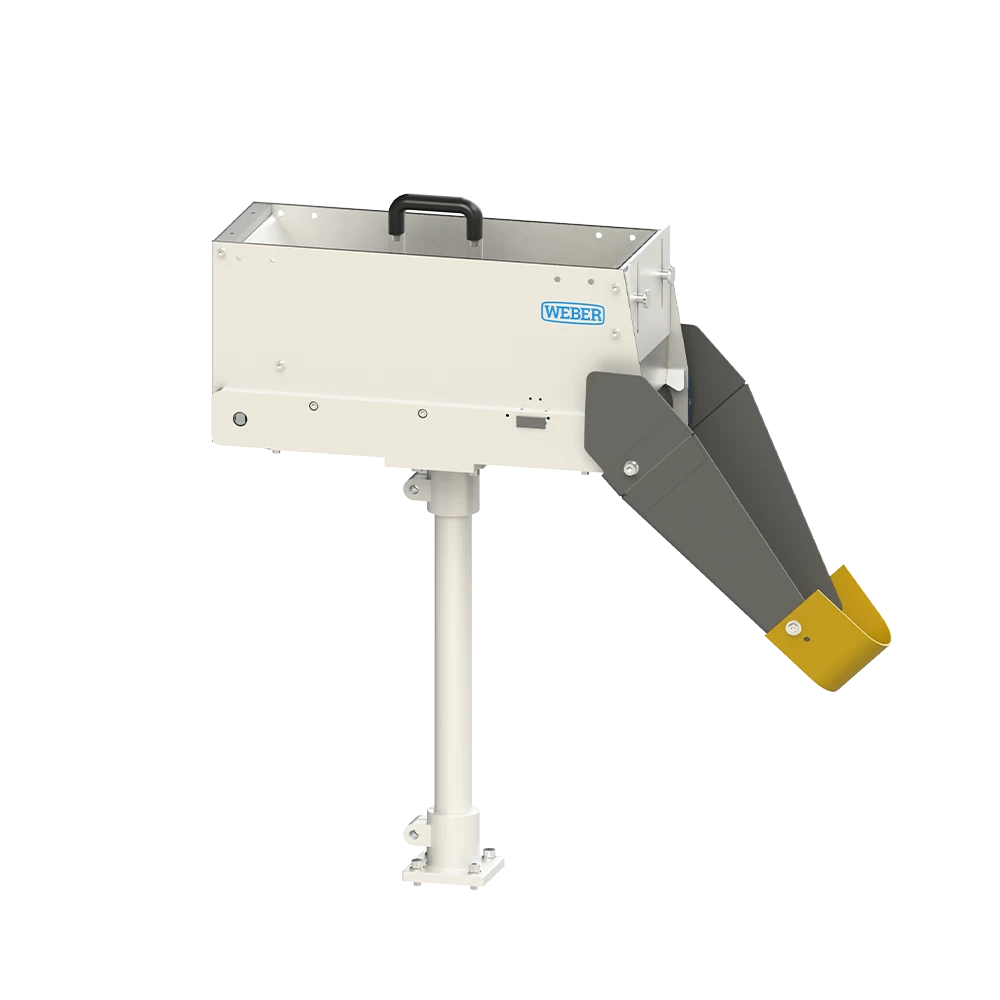
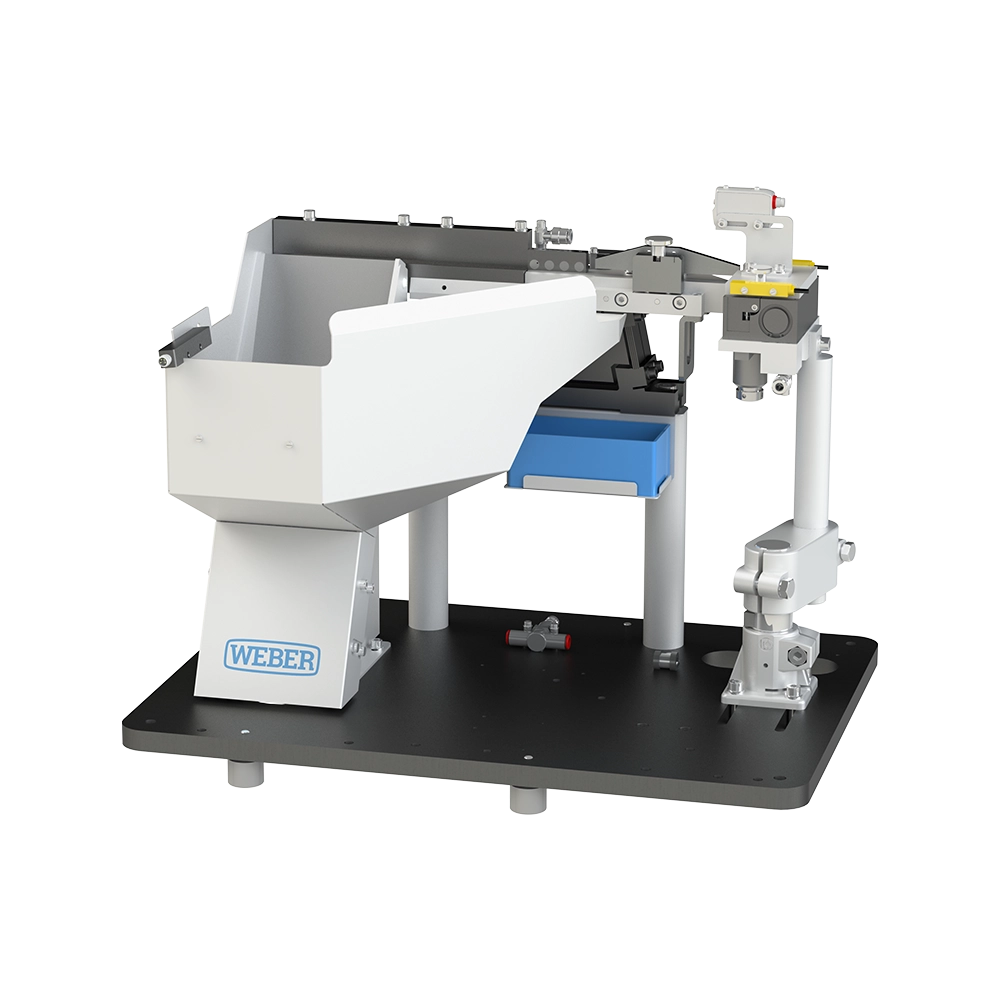
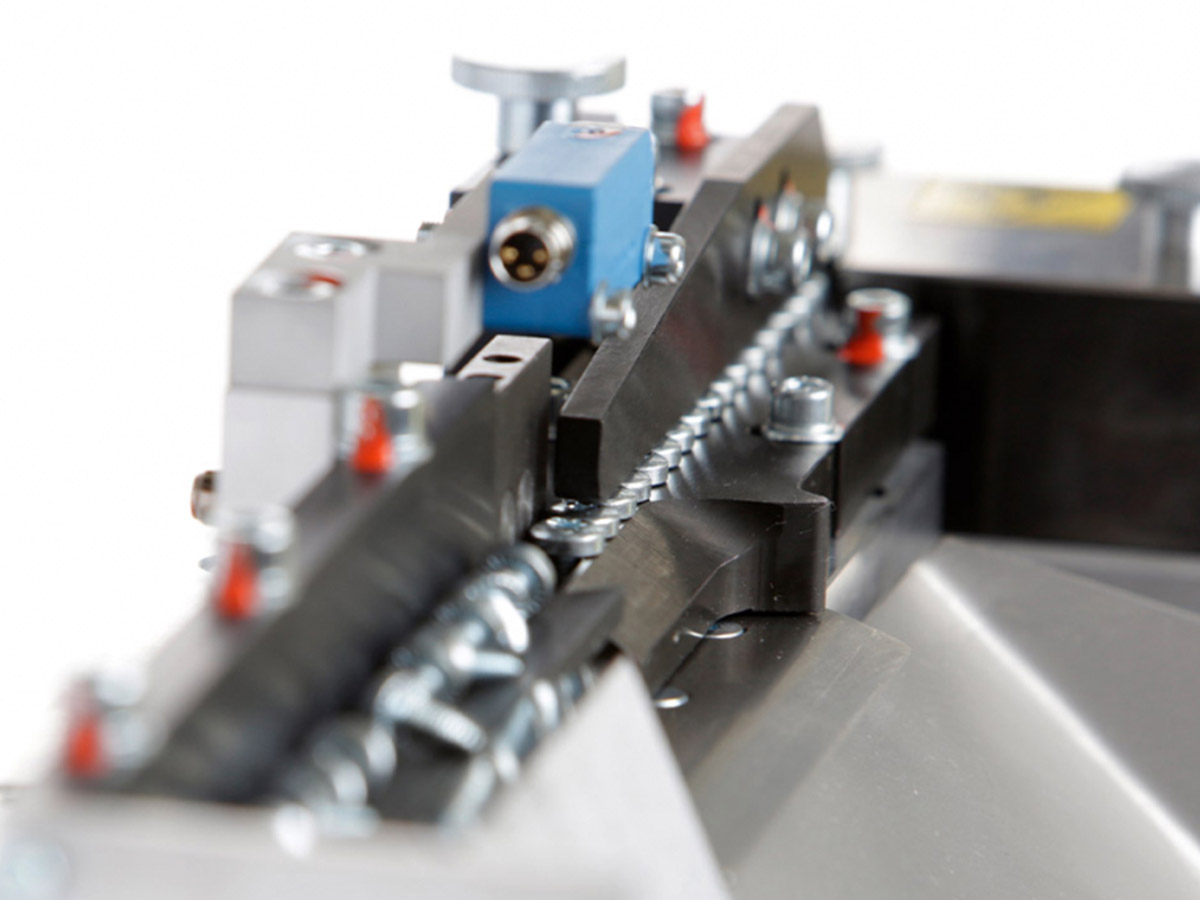
The ZEL feeds screws, nuts and bolts and is gentle on the material. The system allows cycle rates as low as 0.8 seconds. A low-vibration outlet rail, which minimizes vibrations, enables processing of surface-coated and sensitive parts. This is a very important aspect particularly in terms of the requirements of technical cleanliness. Integrated sensors ensure high process reliability. The measures to reduce noise emissions are designed for noise protection at the workplace.
Feeding technology ZEL WEBER
3D Preview 2D Preview
Parts gentle conveying with little abrasion for technical cleanliness
Very low noise emissions
Bowl made of stainless steel (slider made of hardened tool steel or plastic)
High process reliability

Low susceptibility to soiling

You are currently viewing a placeholder content from YouTube. To access the actual content, click the button below. Please note that doing so will share data with third-party providers.

More Information

The reservoir for fasteners is made of stainless steel – the integrated slider of hardened tool steel or plastic. These surface characteristics reduce abrasion and prevent soiling. A belt bunker can be installed as an option.

Features

Inlet control for separation
Escapement unit
Fasteners storage container
Lifting cylinder for gentle conveying of parts
Optional BR-S dirt brake for technical cleanliness

You are currently viewing a placeholder content from YouTube. To access the actual content, click the button below. Please note that doing so will share data with third-party providers.

More Information

Features

  • High output volume
  • Little abrasion, important for technical cleanliness
  • Suitable for coated and sensitive parts
  • Low particulate generation for a high level of technical cleanliness
  • Low vibration exit track for low noise level
  • Configurable for Pick & Place applications with escapement TPP
  • High output volume (cycle time as fast as 0.8 seconds)
Automatic feeding of screws ZEL WEBER

Technical data Step feeder ZEL

Series ZEL240 ZEL360 ZEL480
Width [mm] 480 I 497 w. SDH* 640 I 650 w. SDH* 1188 | 1.300 w. SDH*
Depth [mm] 340 | 353 w. SDH* 536 | 547 w. SDH* 950 | 956 w. SDH*
Height [mm] 456 | 463 w. SDH* 602 | 607 w. SDH* 1185 | 1.340 w. SDH*
Weight [kg] approx. 60 w. SDH* approx. 85 w. SDH* approx. 400 w. SDH*
Fill volume [ltr .] 1,2 3,0 approx. 25
Fill weight [kg] 6,0 14,0 approx. 100
Filling height [mm] 397 437 921
Screws
Head-Ø [mm] 2,5 – 12,5 6,0 – 20,0 12,0 – 32,0 (from 25,0 w.TPP)*
Thread M2 – M6 M4 – M12 M6 – M16
Shank length [mm] ≤ 42 ≤ 73 ≤ 160
Nuts
Across corner [mm] ≤ 12,5 ≤ 20 ≤ 32,0
Thread ≤ M8 ≤ M10 ≤ M16
Height [mm] ≤ 9,5 ≤ 9,5 ≤ 20,0
Pin
Pin-Ø [mm] ≤8 ≤ 14 ≤ 24,0
Length [mm] ≤ 48 ≤ 73 ≤ 160
*SDH = sound enclosure cover Technical changes reserved.

*SDH = Sound enclosure cover; dimensions in mm, subject to technical changes or by agreement.
For particularly large fasteners, we can provide custom solutions tailored to your needs at any time.

Pictures of Step feeder ZEL

E-Catalogs

Discover solution and product information digitally. Take advantage of the WEBER E-Catalogs to quickly navigate to your destination. Everything at your fingertips, right here and now.

Downloads

You can find more information about the company and the products here. Discover WEBER Schraubautomaten GmbH and the world of assembly line automation.

FREE Webinar:
When every particle matters

Ensuring technical cleanliness in automated screwdriving systems

Is your production bound by strict cleanliness standards? Even the smallest particles can cause malfunctions and impact process reliability, product quality and component lifetime. Meeting standards such as VDA 19.2 is essential to ensure high quality and safety. With the right concept, these requirements can be implemented efficiently and reliably.

Our webinar provides insights into:
✅ Causes and consequences of contamination in automted screwdriving
✅ Different types of clean production environments
✅ Cleanliness-orientated system concepts for efficient and reliable assembly processes

Learn how a well-defined cleanliness concept can help you safeguard product quality, increase process stability and achieve long-term reliability in your automated assembly.

  • 15.10.2026
  • 10am or 4pm CET
  • English